Credit Flow Dynamics from Initial Registration to Final Disbursement in Licensed Betting Operations
Harper Wolf · Nov 25, 2026
Credit Flow Dynamics from Initial Registration to Final Disbursement in Licensed Betting Operations
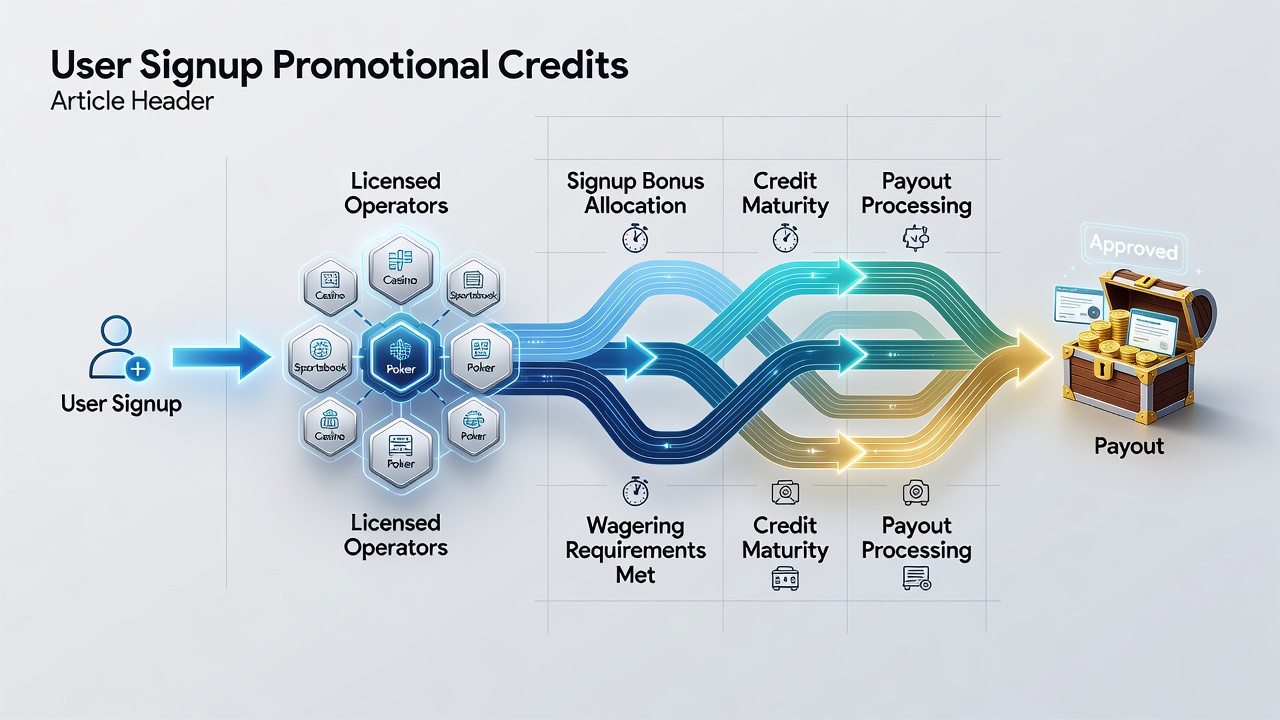
Patterns emerge clearly when promotional credits move through licensed operators, and observers note consistent sequences that begin at registration and conclude at withdrawal approval. Operators across multiple jurisdictions follow similar verification steps that include identity checks, payment method confirmation, and account activation before any credit appears in a player balance. Data from regulatory filings shows these initial phases typically complete within 24 to 72 hours, after which bonus funds or free bet credits activate according to predefined terms.
Registration Triggers and Initial Credit Allocation
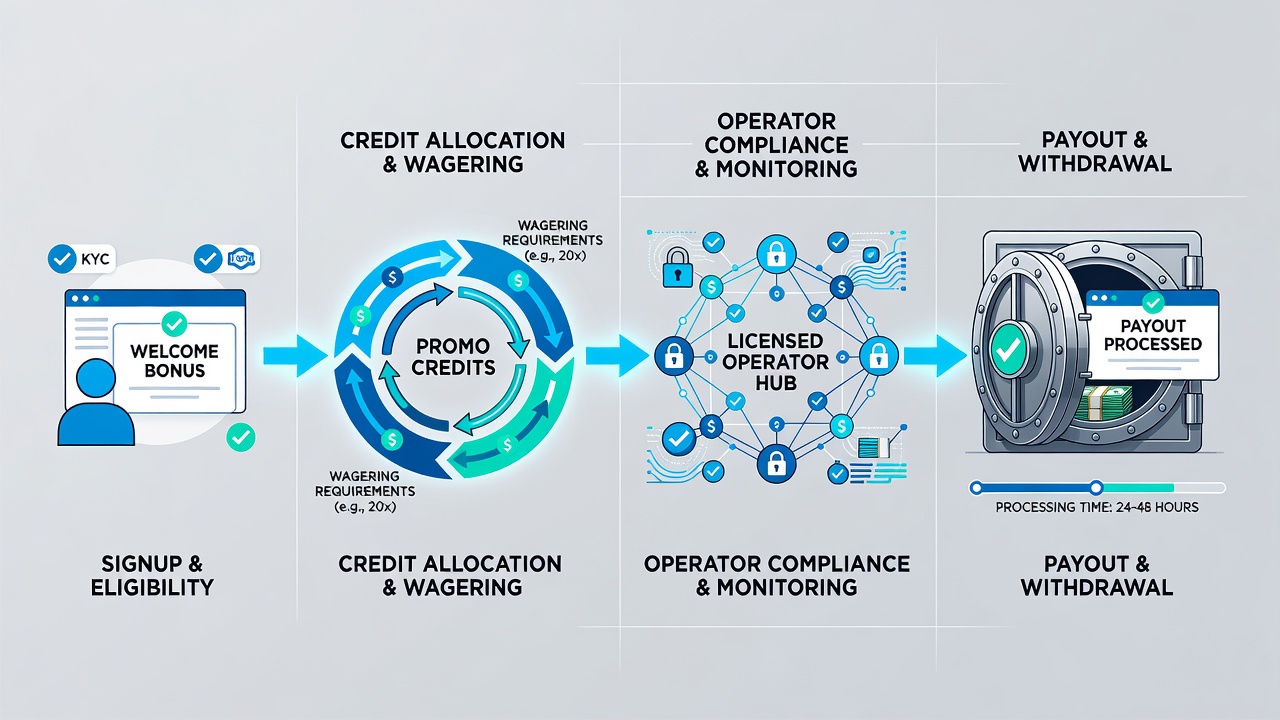
Signup forms collect standard details such as name, address, date of birth, and payment information, and licensed systems cross-reference this data against official records to prevent duplicate accounts. Once verification passes, promotional credits load automatically or after a player opts in through a dedicated bonus section. Studies from industry research groups indicate that operators in North America and Europe apply geographic restrictions at this stage, so credits only become available to users in permitted regions. Those who've tracked these flows observe that email confirmation and phone verification often serve as final gates before the balance reflects any promotional value.
Wagering Requirements and Conversion Mechanics
After allocation, credits enter a holding period governed by wagering multipliers that range from 10x to 50x depending on the operator and promotion type. Real money stakes contribute toward these requirements while bonus funds remain separate until conditions clear, and software tracks every bet in real time to calculate progress. Figures from the Nevada Gaming Control Board reveal that operators must maintain auditable logs of these calculations, which helps ensure compliance during random audits. Players often discover that certain game categories contribute at reduced rates, for instance slot spins may count at 100 percent while table games contribute only 10 or 20 percent toward completion.
Intermediate Holding Patterns and Risk Controls
During the active wagering phase, systems monitor for irregular patterns such as rapid cycling through low-risk bets or simultaneous play across multiple accounts. Licensed platforms employ automated flags that pause credit progression when thresholds trigger, and manual reviews follow within one to three business days. What's interesting is how these controls differ by region: Canadian provincial regulators emphasize responsible play pauses, whereas Australian state authorities focus on anti-money laundering checkpoints. The flow pauses here until either the requirements complete or the credit expires according to its validity window, which commonly spans 7 to 30 days.
Conversion to Withdrawable Funds and Payout Processing
Once wagering completes, remaining credit converts to real money balance subject to any maximum win caps listed in the terms, and operators transfer the amount to a verified payment method. Processing times vary by method, with e-wallets clearing in one to two days while bank transfers may require three to five business days. Research from the European Gaming and Betting Association shows that operators maintain separate ledgers for promotional versus deposited funds to satisfy tax and audit requirements. November 2026 saw several platforms update their internal dashboards to display real-time conversion status, reducing player inquiries by measurable margins according to operator reports.
Common Variations Across Jurisdictions
Operators in different markets adjust these flows to align with local rules, yet core sequences remain intact. In one documented case from Ontario, the provincial framework requires an additional self-exclusion cross-check before any payout releases, which adds 48 hours to the timeline. Meanwhile, operators serving multiple U.S. states route credits through centralized compliance engines that apply the strictest standard across all active licenses. Those who've examined payout data note that success rates for first-time withdrawals hover above 90 percent when accounts pass initial verification without flags.
Conclusion
Patterns in promotional credit movement demonstrate predictable stages that start at signup and finish at disbursement, with verification, wagering, and conversion serving as fixed waypoints across licensed environments. Regulatory data continues to highlight these consistent structures even as platforms introduce minor regional adaptations. Observers tracking these systems report steady improvements in transparency tools that allow users to follow credit status at each step.