Unlocking Multi-Tier Rewards: Loyalty Programs Evolving Participant Benefits in Operator Networks
Alex Hughes · Aug 26, 2026
Unlocking Multi-Tier Rewards: Loyalty Programs Evolving Participant Benefits in Operator Networks
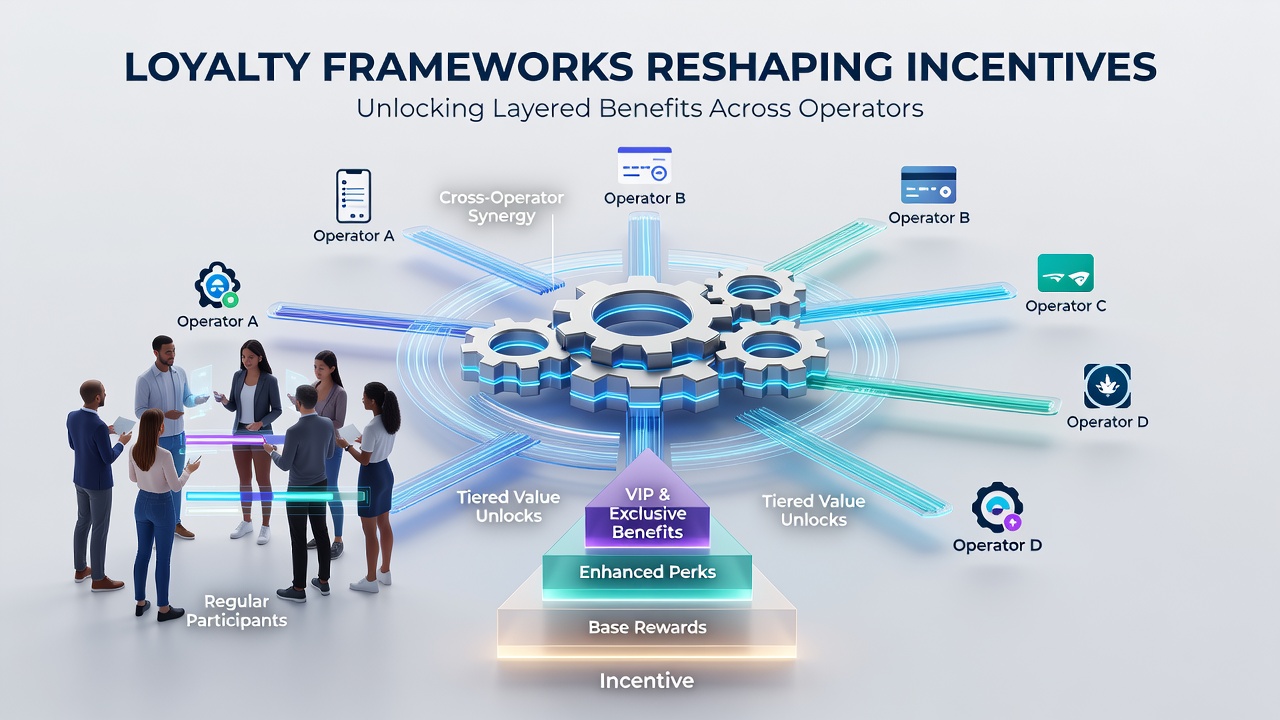
Operators in regulated markets have developed loyalty frameworks that assign points based on wager volume and frequency, allowing regular participants to progress through tiers that unlock escalating rewards such as cashback percentages, enhanced odds, and exclusive event access. These systems track activity across digital platforms and integrate data from sports betting, casino games, and live events to calculate eligibility for layered incentives.
Core Mechanics of Tier Progression
Participants earn base points on every qualifying bet or spin, with multipliers applied during promotional windows or for specific game categories, and data from industry reports shows that higher tiers often require sustained activity over three to six months. Once a threshold is reached, users receive automatic upgrades that include dedicated account managers, faster withdrawal processing, and invitations to invitation-only tournaments. Observers note that these mechanics encourage consistent engagement because rewards scale nonlinearly, meaning the value per point increases at each level.
Many frameworks now incorporate cross-operator partnerships, enabling points earned on one platform to contribute toward status on affiliated sites through shared technology providers. This approach reduces fragmentation for users who maintain accounts with several operators, and figures from the American Gaming Association indicate that integrated loyalty data has supported higher retention rates in jurisdictions with multiple licensed providers.
Regional Implementation Patterns
In North American markets, state-level regulations have shaped how loyalty data is collected and shared, with operators in New Jersey and Pennsylvania using centralized player tracking to comply with responsible gambling limits while still delivering tiered benefits. Australian operators, operating under different state rules, have introduced similar models that link loyalty points to harm minimization tools, such as optional spending caps tied to reward tiers. Researchers at institutions like the University of Sydney have documented how these adjustments affect participation patterns without altering overall engagement volumes.

European operators outside the United Kingdom have adopted loyalty structures that emphasize seasonal resets and region-specific promotions, allowing points to carry over only within defined periods. This design prevents indefinite accumulation while still rewarding regular play, and industry analyses reveal that participants who reach mid-tier status tend to consolidate activity with fewer operators to maximize the layered returns available at each level.
Data Integration and Personalization
Advanced loyalty platforms use real-time analytics to adjust point values based on game type and time of day, creating dynamic incentives that respond to individual patterns. A participant who focuses on football accumulators might see point bonuses applied automatically during major leagues, whereas someone active in slots could receive tailored free spin allocations. These adjustments rely on aggregated datasets rather than individual targeting, yet they produce the effect of personalized reward paths.
Operators have also begun testing blockchain-based ledgers for point portability, which would allow verified activity records to transfer between unaffiliated platforms under strict data protection protocols. Early trials in select Canadian provinces have shown reduced administrative overhead for both users and providers, though widespread adoption remains limited by differing regulatory requirements across provinces.
Conclusion
Loyalty frameworks continue to evolve as operators refine tier structures and explore cross-platform compatibility, with data indicating steady growth in the proportion of regular participants reaching higher reward levels. Regulatory environments in multiple regions influence how these systems balance incentive delivery with player protection measures, while technological advances in data sharing support more seamless access to layered benefits. The result is a landscape where consistent activity across operators yields progressively more substantial returns structured around transparent, measurable criteria.